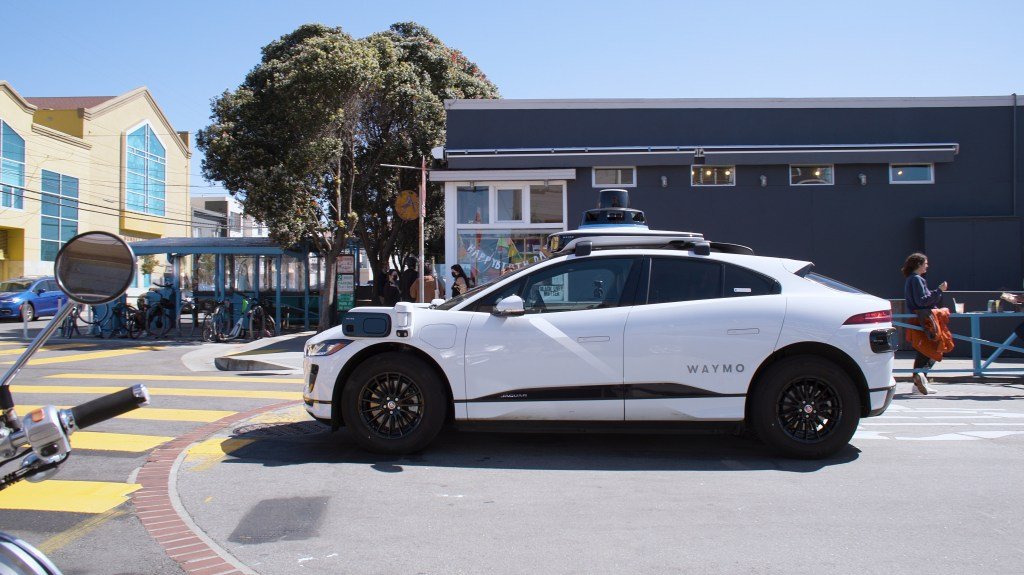
Waymo has removed the waitlist for its San Francisco robotaxi service, making it accessible to all customers interested in using the self-driving technology.
Waymo announced on Tuesday that individuals can now download the app and immediately request a ride from one of its robotaxis in San Francisco, a strategy similar to its approach in Phoenix, the company's initial driverless taxi market. This decision comes shortly after Waymo voluntarily recalled the software in all 672 of its Jaguar I-Pace robotaxis due to a recent collision with a telephone pole. Earlier this year, the Alphabet-owned company issued a software recall after two robotaxis were involved in accidents with a pickup truck being towed by a tow truck.
Waymo has been operating in the San Francisco region since 2009, but only started offering paid rides in its fleet of self-driving Jaguar I-Pace vehicles last year. Initially, a waitlist was established, attracting nearly 300,000 sign-ups. After gradually opening the service to waitlisted customers, Waymo has now decided to completely eliminate the waitlist with only a few hundred individuals left on it.
In March, Waymo obtained approval from the California Public Utilities Commission to conduct a commercial robotaxi service in Los Angeles, the San Francisco Peninsula, and on San Francisco freeways. While Waymo is currently operating within San Francisco city limits with a fleet of 300 robotaxis, it has not yet expanded its driverless commercial operations to freeways or neighboring communities. The company's total fleet includes over 700 robotaxis deployed in commercial markets such as Phoenix, Los Angeles, and San Francisco, along with testing locations in Silicon Valley and Austin, Texas.
According to internal data, Waymo's service has gained substantial traction, providing tens of thousands of trips in San Francisco each week. A significant portion of San Francisco customers have utilized Waymo for medical appointments or connecting to other forms of transit like BART or Muni, based on company surveys.