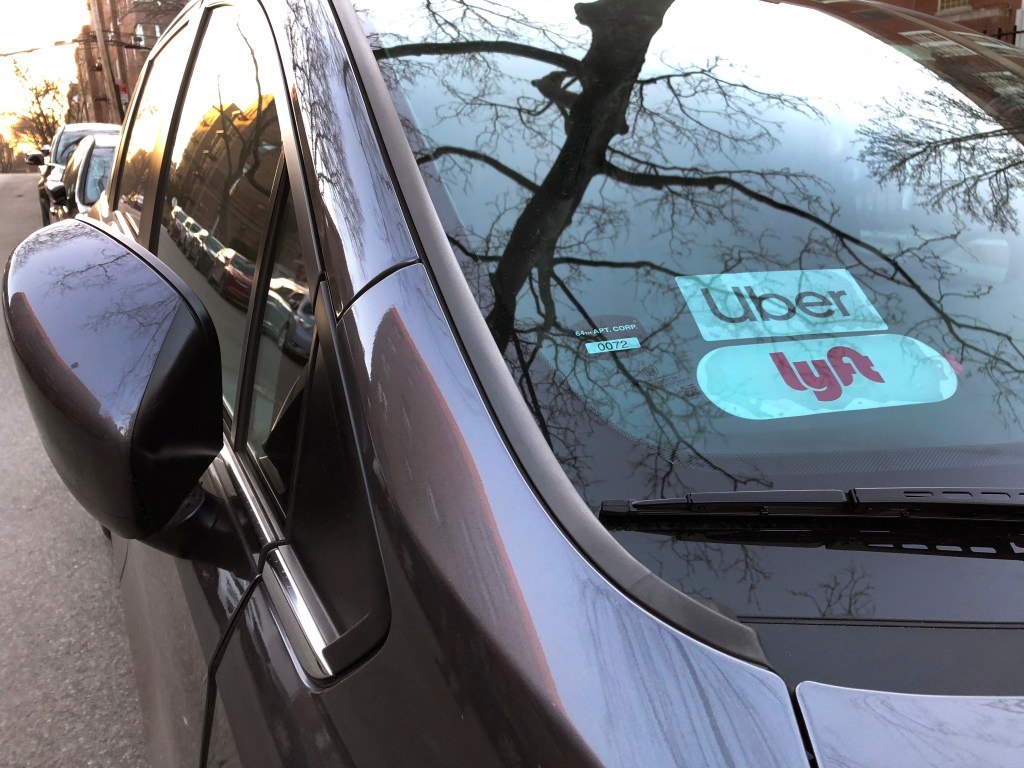
Minnesota's Uber and Lyft drivers will see increased pay thanks to a deal with the state and the country's two largest ride-hailing companies. A new law will give drivers some protections while also placing limits on state government.
Starting January 1, 2025, drivers will be guaranteed to earn at least $1.28 per mile and $0.31 per minute, as stipulated in the bill supported by Governor Tim Walz. These rates align with a state study on driver compensation recommendations.
While the new bill resolves the lengthy standoff between Uber, Lyft, and Minnesota, it raises questions about who should set wages for gig economy workers. The compromises outlined in the bill provide concessions to all parties involved, except perhaps the rider.
Uber's senior director of public policy, Josh Gold, expressed the company's contentment with the deal in Minnesota but believes the rates are too high. The potential increase in rates may impact both riders and drivers alike.
Uber and Lyft have historically resisted pay raises and additional protections, arguing that it could lead to higher costs for riders. However, the bill includes provisions for vehicle insurance and compensation for on-the-job injuries.
The funding for these protections may lead to increased rider costs, a concern that led Governor Walz to veto an earlier version of the bill. Additionally, the new law preempts cities like Minneapolis from imposing their own wage standards, sparking criticism from local politicians.
The ongoing gig worker debate is not unique to Minnesota, as California also grapples with issues surrounding driver classification. The outcomes of legal battles in both states will impact how ride-hailing companies operate nationwide and the level of pay and protections available for drivers.