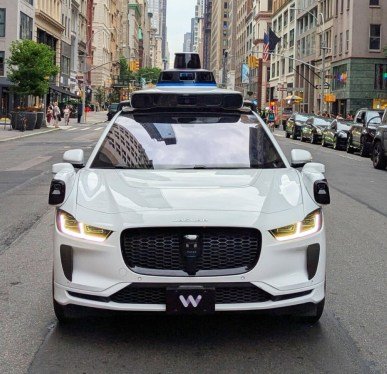
Waymo is rolling out a software update to help its robotaxis navigate disabled traffic lights during power outages more effectively, the company stated in a blog post on Tuesday. The post elaborated on why Waymo's self-driving vehicles encountered issues at intersections during a blackout in San Francisco over the weekend.
Waymo mentioned that its self-driving system treats non-functional traffic lights as four-way stops, similar to how human drivers are expected to behave. This should have allowed the robotaxis to function normally despite the widespread power outage.
However, many vehicles requested a confirmation check from Waymo's fleet response team to ensure they were following the correct protocol. Although all Waymo robotaxis have the capability to request confirmation checks, the high volume of confirmation requests during the outage resulted in congestion, as seen in video footage.
Waymo explained that the confirmation request system was initially implemented as a precaution during the early deployment stages but is now being refined to align with the company's current scale. The forthcoming software update will provide the self-driving software with specific power outage context to navigate more confidently.
The update will also include additional information about regional outages in Waymo's self-driving software. Furthermore, Waymo plans to enhance its emergency response procedures based on the lessons learned from the blackout incident.
Despite the focus on instances where Waymo's robotaxis faced challenges during the power outage, the company highlighted that its vehicles successfully handled over 7,000 dark signals on Saturday.
The company acknowledged that navigating such a significant event posed a unique test for autonomous technology.
The outage incident on Saturday reflects Waymo's ongoing efforts to address unexpected issues with its software and its strategy for developing a reliable fleet of self-driving vehicles. The company has previously released multiple software updates to ensure its robotaxis adhere to stopped school buses, a situation that triggered a National Highway Traffic Safety Administration inquiry and resulted in a recall.