Welcome back to TechCrunch Mobility, your go-to source for all things related to the future of transportation. To receive this newsletter directly in your inbox, sign up for free by clicking on TechCrunch Mobility!
We're back after a short break and diving headfirst into 2026. A lot has transpired since our last edition.
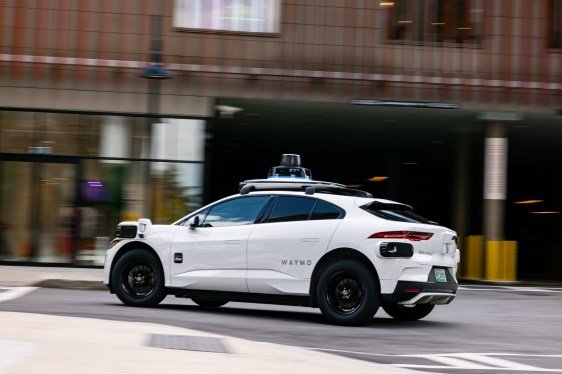
I recently attended the Consumer Electronics Show in Las Vegas, and the landscape has shifted significantly. Instead of U.S. automakers, the spotlight is now on autonomous vehicle tech companies like Zoox, Tensor Auto, Tier IV, and Waymo (formerly known as Zeekr RT), as well as Chinese automakers such as Geely and GWM, software companies, automotive chip manufacturers, and the emerging trend of 'physical AI.'
Physical AI, also known as embodied AI, involves the integration of AI into the physical world using sensors, cameras, and motorized controls to allow robots, drones, autonomous vehicles, and other devices to navigate and make decisions in real-world environments. This technology was prominently featured across various industries at the CES, from agriculture and robotics to industrial manufacturing and wearables.
Hyundai made a significant impact at the event with its showcase of robotic innovations, including the Atlas humanoid robot from Boston Dynamics and cutting-edge robotics from Hyundai Motor Group Robotics LAB. The excitement around humanoids and physical AI was undeniably palpable, reflecting a growing trend in the industry.
During a conversation with Mobileye co-founder Amnon Shashua, the topic of humanoid robots and the hype surrounding them was addressed. Shashua emphasized the real-world potential of humanoid robotics despite the current industry hype.
Some notable stories from CES included the launch of Nvidia's Alpamayo AI models for autonomous vehicles and Uber's presentation of its new robotaxi developed in collaboration with Lucid and Nuro.
Additionally, Mobileye made headlines by acquiring humanoid robot startup Mentee Robotics for $900 million, further solidifying the intersection of AI and robotics in the industry.
Shifting gears to recent news outside of CES...
A Word from the Inside

Recent comments from President Trump about welcoming Chinese automakers into the U.S. have caused concern within the auto industry. The Alliance for Automotive Innovation has expressed unease about the implications of this move, particularly in light of existing regulations that restrict the import and sale of connected vehicles from certain countries.
Avery Ash, CEO of SAFE, cautioned against allowing Chinese automakers to operate in the U.S., citing potential risks to national security and the automotive industry at large.
While Canada is easing restrictions on Chinese EV imports, the U.S. continues to grapple with the implications of opening its doors to foreign automakers.
If you have any insider tips to share with us, feel free to reach out to Kirsten Korosec at kirsten.korosec@techcrunch.com or Sean O’Kane at sean.okane@techcrunch.com.
Recent Deals and Acquisitions

Several notable deals have recently taken place in the industry, including Allegiant's acquisition of Sun Country Airlines, Dealerware's acquisition by Wavecrest Growth Partners and Radian Capital, Flix's majority share acquisition of Flibco, JetZero's Series B funding, and Joby Aviation's expansion plans.
Luminar's sale of its lidar business to Quantum Computing Inc. for $22 million has raised eyebrows due to the significant valuation gap since its peak in 2021.
Insightful Reads and Updates

Discover how Bluspark Global addressed a security vulnerability in its shipping and supply chain software after a security researcher brought it to light.
The FTC's order prohibiting General Motors and OnStar from sharing certain consumer data with agencies has significant implications for data privacy in the automotive sector.
Explore the latest developments at InDrive, Motional, Tesla, Wing, and more in the realm of autonomous vehicles, ride-hailing, and drone delivery services.
Stay tuned for updates on New York's legislation to legalize robotaxis outside of NYC and Tesla's shift to a monthly subscription model for its Full Self-Driving software.