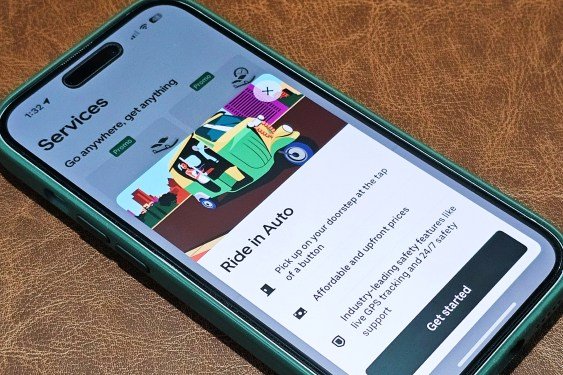
Uber is shifting away from the commission-based model for three-wheeled motorized rickshaw drivers in India due to increased competition from local rivals Rapido and Namma Yatri. Instead, the ride-hailing giant will charge drivers a daily fee to use the platform and connect with riders.
This business model change is the latest update to Uber's operations in India in an effort to improve margins.
In 2015, Uber initially launched its auto-rickshaw service in the market but later suspended it, only to relaunch it in 2018.
This new model is not exclusive to India, as Uber has introduced subscription-based bike and auto-rickshaw services in Bangladesh and some Southeast Asian markets as well, confirmed by a spokesperson for Uber to TechCrunch.
The updated model, communicated through an email to riders, is now rolling out to all auto-rickshaw drivers in India after being tested as a pilot for some time. Auto rickshaws account for up to 25% of all motorized trips in India.
Previously, Uber imposed commission charges ranging from 25% to 40% of each ride fare, while Rapid and Namma Yatri operate on a subscription-based model without commissions.
Now, Uber is following suit, with auto-rickshaw drivers on its platform in India required to pay a daily fee between $0.23 and $0.46 (20-40 Indian rupees), depending on the city they operate in.
With the elimination of commissions, riders will need to pay the driver directly in cash or via the Indian government-backed Unified Payments Interface (UPI). Uber credits and promotions will not be applicable for auto trips, and cancellation charges will not be imposed on riders.
Uber will not display the final fare amount at the end of the trip, instead suggesting a fare for riders while allowing drivers to set their own rates. The company stated that they will not mediate fare-related disputes between riders and drivers.
Furthermore, Uber will continue to enable riders to report safety concerns through its app.
Although this model is unlikely to be implemented in markets like the U.S., it aligns with Uber's goal of connecting independent contractors with riders.
This update applies specifically to auto rickshaws, with four-wheeler cabs in India continuing to operate under the existing commission model.
Despite this, Uber remains proactive in experimenting with various models to stay competitive in the Indian market, including a flexible pricing service in multiple cities. The company faces strong competition from Ola, Rapido, and Namma Yatri, as well as independent auto-rickshaw and taxi drivers.