
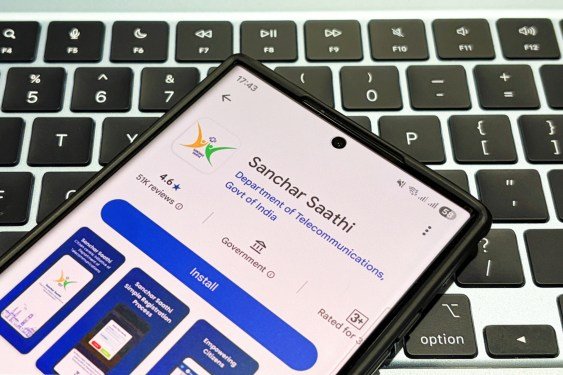
The Indian government is broadening its efforts to combat smartphone theft and online fraud by extending its anti-theft and cybersecurity program to cover both new and used devices. The initiative has sparked fresh privacy concerns.
Under the expansion, the Indian telecom ministry is mandating that companies verify every device through a central database of IMEI numbers when buying or trading used phones. This follows a recent directive requiring smartphone manufacturers to preinstall the government's Sanchar Saathi app on all new devices and update existing ones with the app.
According to Reuters, the ministry confirmed the news in a public statement.
The Sanchar Saathi portal, launched in 2023, enables users to block or trace lost or stolen phones. Government data shows that the system has blocked over 4.2 million devices and traced 2.6 million more. A dedicated Sanchar Saathi app released earlier this year helped recover over 700,000 phones, with 50,000 recovered in October alone.
The app has gained significant traction, with nearly 15 million downloads and over 3 million monthly active users in November, a 600% increase since its launch. Web traffic to Sanchar Saathi also surged, with a 49% year-over-year increase in monthly unique visitors, according to Sensor Tower data.
While the government's move to preinstall the app has faced criticism from privacy advocates and civil society groups, citing privacy risks, the government argues that the initiative is essential to combat cybercrime and fraud in the smartphone market.
Telecom minister Jyotiraditya M. Scindia defended the app as voluntary, stating that users can delete it if they choose. However, concerns remain about the app's visibility and accessibility on devices.
Deputy telecom minister Pemmasani Chandra Sekhar revealed that most major manufacturers were part of the initiative's working group, although Apple did not participate.
In addition to pushing the Sanchar Saathi app, the ministry is testing an API that would allow trade-in platforms to upload customer identities and device details to create a national record of smartphones in circulation.
India's used smartphone market is growing rapidly, driven by high new device prices and extended replacement cycles. Despite covering formal recommerce and trade-in platforms, the government's initiative does not address informal transactions in the secondhand market, which make up a significant portion of the sector.
Privacy advocates caution that the data collection could provide authorities with extensive access to device ownership information, raising concerns about potential misuse.
The government has yet to outline how the data will be stored, who will access it, or the safeguards in place. Digital rights groups stress the importance of independent audits, robust data governance, and transparent accountability measures to protect user privacy.
The planned API also poses risks for recommerce firms, which could be held liable for mishandling sensitive customer information.
As Waghre pointed out, while the Sanchar Saathi app is visible to users, the backend operations and data sharing mechanisms may not be transparent. The extent of data collection and system reach may be unclear to users, raising concerns about privacy and data security.
The heavy-handed approach of the government in mandating the app on all devices has sparked debate over the balance between cybersecurity measures and user privacy rights.


