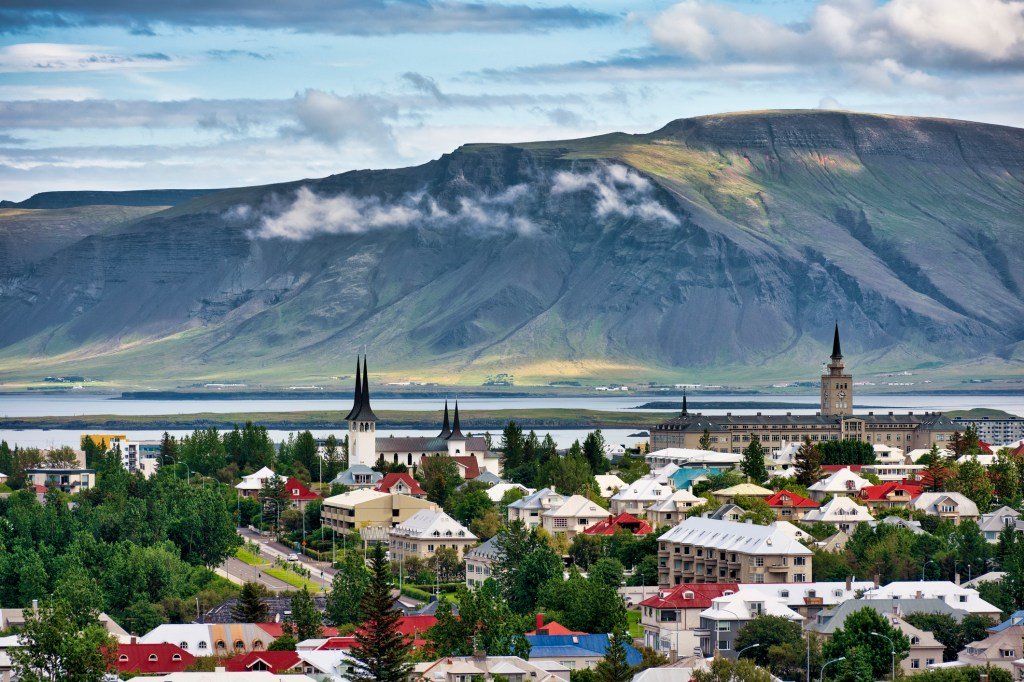
With a population of fewer than 400,000, Iceland attracts a significant number of tourists and venture capital. This makes it important to pay attention to the innovation and entrepreneurship emerging from this unique island nation.
“We need more pillars to our economy,” said Áslaug Arna Sigurbjörnsdóttir, Iceland’s Minister of Higher Education, Science and Innovation, emphasizing the importance of diversification during Iceland Innovation Week in Reykjavík.
Startups in Iceland are utilizing technology to optimize the country’s resources and key economic sectors such as fisheries and heavy industry. This innovation is also highlighting the local talent and culture, contributing to the country’s economic growth.
Despite limited data on startup deals in Iceland, the types of startups flourishing in the country are noteworthy:
Inspiration can come from anywhere
One prime example is Kerecis, a medtech company utilizing fish skin for innovative wound dressings. Icelandic innovation often draws inspiration from unexpected sources, leading to developments in various industries including high-end cosmetics, foodtech, and new materials, driven by a growing emphasis on sustainability.
Another source of inspiration is the country’s history, particularly in the fintech sector. Lessons learned from past events like the banking crisis have influenced companies like indó and Monerium, showcasing the importance of historical context in Icelandic startups.
Support networks play a crucial role in fostering startup growth, with initiatives like Horizon Europe and grants from Rannís providing funding opportunities. Co-working spaces and entrepreneurial hubs in downtown Reykjavík support the influx of startups, leveraging Iceland’s talent in creative fields and technology development.
Looking abroad
Icelandic startups have made significant strides internationally, with companies like Oculis, Prescriby, Sidekick Health, and Avo expanding their presence beyond the country. While Iceland's small population poses challenges for scaling startups, the ease of doing business in Iceland makes it an attractive testing ground for foreign companies.
Strategic importance
Iceland’s strategic position has garnered attention from global initiatives like the bug bounty program Defend Iceland and the NATO Innovation Fund. The country’s venture capital ecosystem is evolving, with new firms like Crowberry Ventures and Brunnur Ventures emerging to support the growing startup scene.
Iceland’s status as a crossroads for technology and innovation, coupled with its cultural and economic developments, positions it as a key player in the global startup ecosystem. The collaboration between Icelandic tech companies and larger markets bodes well for the future of innovation in the country.
Disclosure: Anna Heim traveled to Iceland on an invitation from Business Iceland on behalf of Reykjavík Science City.