Chris Lehane is known for his ability to handle difficult situations and make problems disappear. He has served as Al Gore's press secretary during the Clinton administration and as Airbnb's chief crisis manager. With his expertise in spin, Lehane is now facing one of his toughest challenges yet as the VP of global policy at OpenAI. His task is to convince the world that OpenAI is committed to democratizing artificial intelligence, while the company's actions suggest otherwise.
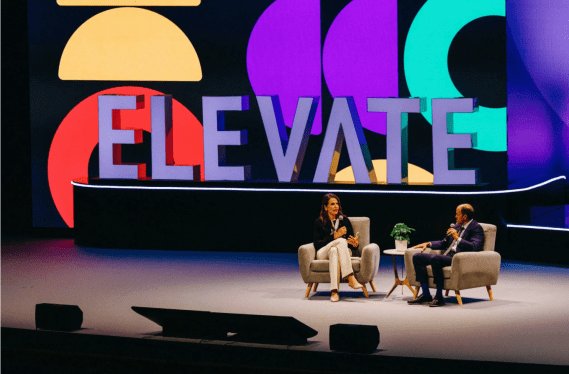
During a recent interview at the Elevate conference in Toronto, I had the opportunity to discuss the contradictions surrounding OpenAI with Lehane. Despite his skill in presenting a positive image, it was clear that there are underlying issues with the company's operations.
One major concern is OpenAI's Sora project, which recently launched with copyrighted material integrated into the platform. This move, while bold and successful from a business perspective, has raised legal issues and faced backlash from rights holders. Lehane defended the project as a way to democratize creativity, but the company's approach to using copyrighted material has been controversial.
Additionally, questions have been raised about OpenAI's energy consumption and its impact on communities hosting its data centers. The company's ambitious goals in AI development are raising concerns about resource usage and potential negative effects on local economies.
Moreover, OpenAI's handling of personal data and the ethical implications of AI-generated content have also come under scrutiny. The company's actions in targeting critics and its involvement in legal disputes have raised questions about its commitment to ethical practices.
As OpenAI continues to push towards artificial general intelligence, internal conflicts and moral dilemmas within the company are becoming more apparent. The real challenge for OpenAI lies not in convincing the public of its mission, but in maintaining the belief and trust of its own employees and stakeholders.