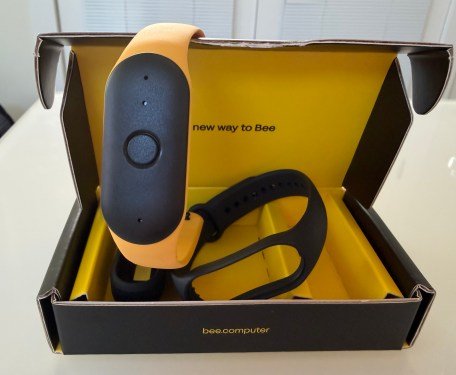
During the initial testing of the Bee, we found it easy to use. It only requires a press of a button to start or stop recording. In the app, users can customize whether a double press bookmarks a section of the conversation, processes the current conversation, or both. Additionally, users can set whether a press and hold gesture allows them to leave a voice note or chat with the AI assistant. The companion app for Bee reminds users to enable voice notes.
Similar to other AI products like Plaud, Granola, Fathom, Fireflies, and Otter, Bee can listen to, record, and transcribe audio conversations. However, Bee stands out by segmenting the audio into sections and summarizing each part. For example, an interview might be divided into sections such as the introduction, product details, industry trends, and more.
Each section is visually marked with a different background color for easy differentiation. Users can tap on an individual section to view the exact transcription.

While labeling speakers in the app may not be immediately obvious, users can confirm themselves as speakers by tapping on a segment of the conversation. However, Bee does not store audio after transcription, making it unsuitable for cases where accuracy verification through playback is needed.
Amazon envisions Bee as an AI companion that integrates with Google services to assist users in organizing tasks related to recorded conversations. It can suggest actions like connecting with someone on LinkedIn or researching a product after a meeting at a conference.

Users can also leave voice notes for themselves in the app. Another section allows users to revisit past memories from previous days, while the 'Grow' section provides insights as it learns more about the user.
Amazon plans to introduce more features for Bee in the future.


Bee does not constantly listen by default to address privacy concerns. Users are encouraged to ask for permission before recording conversations. A green light indicates when the device is actively recording.
Although Bee's sports band may feel flimsy, the clip-on pin offers a sturdier alternative. The mobile app's design surpasses Amazon's in-house apps like Alexa, but the necessity of an AI solely for recording conversations to learn about users remains unproven. The cultural implications of mainstream AI listening devices also raise questions about privacy and consent.
The success of Bee will determine whether consumers desire a future where personal conversations are recorded by AI devices.
。